
What Are the Best Long Shelf-Life Foods for Emergency Storage That Actually Taste Good?
When most people think about emergency food storage, they picture bland, tasteless rations that you’d only eat if you had no other choice. But that assumption is outdated. Today, the best long shelf life foods for emergency storage can last years—sometimes decades—and still taste good enough that you’ll actually want to eat them.
If you’re building a food reserve, taste matters more than you might think. In a stressful situation, familiar and enjoyable food can boost morale, reduce anxiety, and help maintain energy levels. This guide breaks down the best options that balance long shelf life, nutrition, and real flavor, so you can prepare smart without sacrificing quality.
Why Taste Matters in Emergency Food Storage
Emergency preparedness isn’t just about survival—it’s about sustainability. If your food supply tastes bad, you’ll avoid eating it, rotate it poorly, or waste money replacing it.
Key reasons to prioritize taste:
- Improves morale during stressful events
- Encourages proper food rotation
- Helps maintain consistent calorie intake
- Reduces reliance on unhealthy “junk” storage foods
The goal is simple: store foods you already enjoy that also happen to last a long time.
What Makes a Food “Long Shelf-Life”?
Before diving into specific foods, it’s important to understand what qualifies as long-lasting.
Shelf-life factors to consider:
- Low moisture content (prevents bacterial growth)
- Stable fats (avoids rancidity)
- Proper packaging (oxygen absorbers, airtight containers)
- Cool, dark storage conditions
Shelf-life categories:
- Short-term (1–3 years): canned goods, granola, pasta
- Mid-term (5–10 years): dehydrated foods, powdered items
- Long-term (10–30+ years): freeze-dried foods, white rice, dry beans
Best Long Shelf-Life Foods for Emergency Storage That Taste Good
Let’s break down the top categories of foods that deliver both longevity and flavor.
1. White Rice (The Ultimate Staple)

White rice is one of the most reliable long-term foods available.
Wheatland™ White Rice • Delicious • Healthy Food Option • 20 lbs. Bulk Rice
Why it’s a top choice:
- Shelf life: 20–30 years (properly stored)
- Neutral taste pairs with anything
- High calorie density
How to make it taste better:
- Add bouillon, spices, or canned meats
- Cook with broth instead of water
- Mix with beans or freeze-dried vegetables
Pro tip: Avoid brown rice for long-term storage—it goes rancid faster due to its oil content.
2. Pasta (Comfort Food That Lasts)

Pasta is familiar, filling, and incredibly versatile.
Semolina Pasta, Penne Rigate No.41, 5 Pound (Pack of 4)
Benefits:
- Shelf life: 8–10+ years (sealed properly)
- Easy to cook
- Universally liked
Flavor upgrades:
- Store with canned tomato sauce or powdered cheese
- Add canned chicken or tuna
- Use dried herbs for variety
Pasta is especially valuable because it feels like a “normal meal,” not survival food.
3. Freeze-Dried Meals (Best Overall Taste & Longevity)
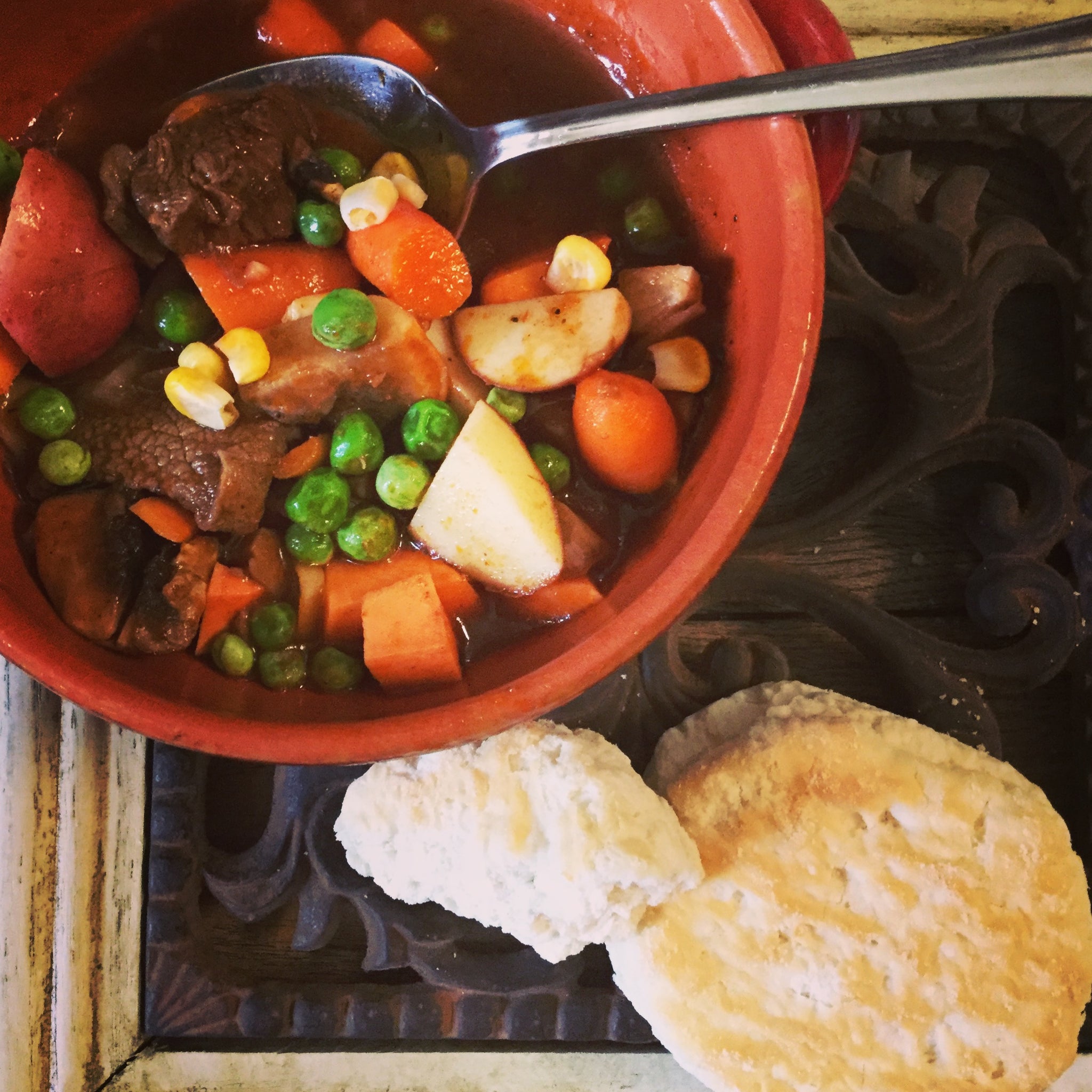
If you want the best combination of taste, convenience, and shelf life, freeze-dried meals are hard to beat.
Emergency Meal Assortment Kits, Freeze-Dried Survival Food Kit
Why they stand out:
- Shelf life: 20–30 years
- Retain original flavor and texture
- Just add hot water
Popular options include:
- Beef stew
- Chicken Alfredo
- Scrambled eggs with bacon
These meals are ideal for situations where cooking resources are limited.
4. Canned Meats (Protein That Actually Tastes Good)
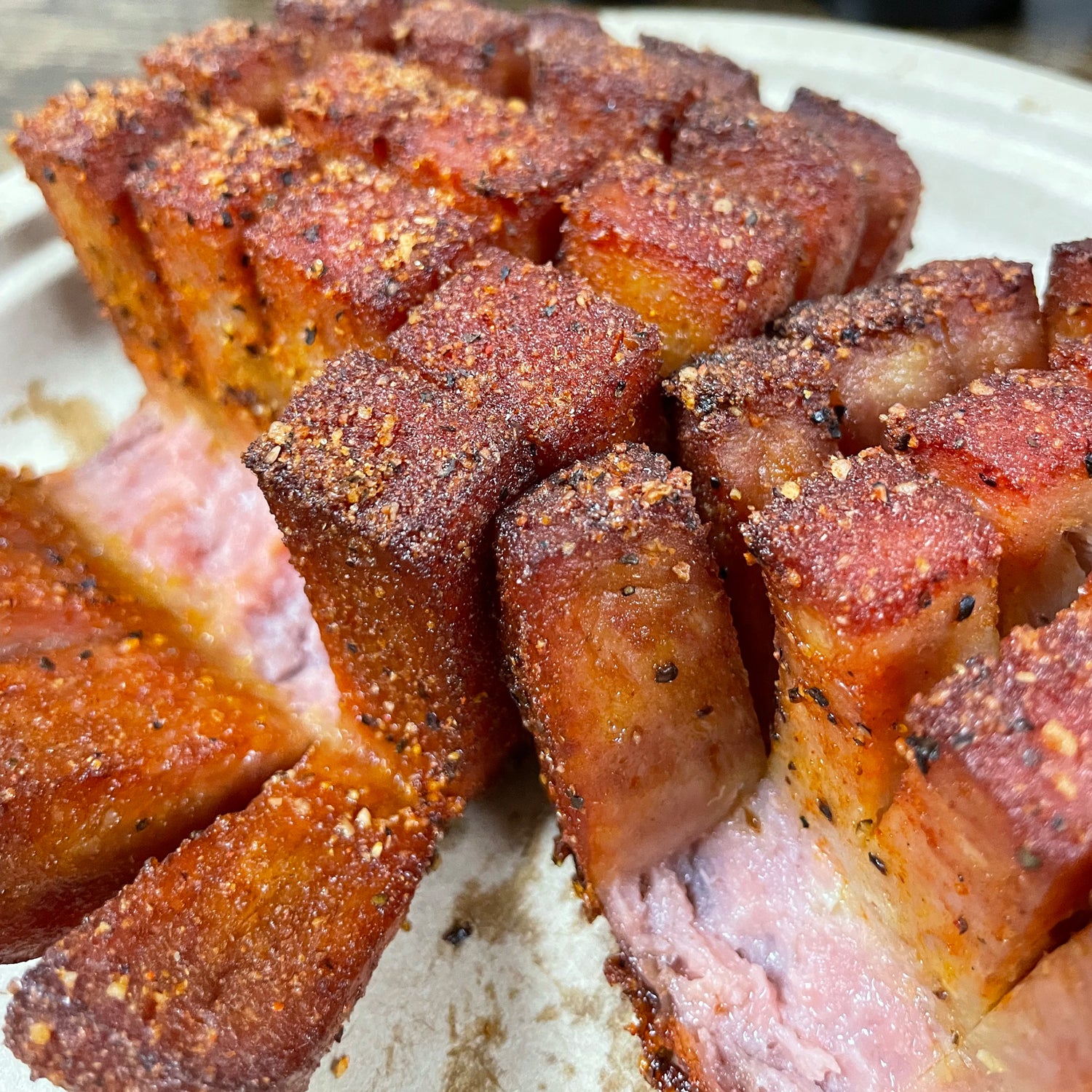
Protein is often the hardest part of emergency food storage—but canned meats solve that problem.
Freeze Dried Diced Chicken – 16 Servings for Family Meal Prep
Best choices:
- Tuna
- Chicken
- Spam
- Beef stew
Shelf life:
- Typically 3–5 years (often longer in practice)
Taste tips:
- Fry Spam for better flavor
- Mix canned chicken into rice or pasta
- Use tuna with mayo packets or seasonings
Canned meats are a huge morale booster when most of your food is carb-heavy.
5. Dry Beans (Nutritious and Hearty)

Beans are a cornerstone of long-term food storage.
Dried Black Beans Emergency Food Supply, 237 Servings
Why they work:
- Shelf life: 10–30 years
- High in protein and fiber
- Extremely filling
Making them taste better:
- Add salt, garlic, and spices
- Combine with rice for complete protein
- Use bouillon or broth
Note: Beans require longer cooking times, so plan for fuel usage.
6. Oats (Versatile and Comforting)
Oats are one of the easiest and most comforting foods you can store.
Benefits:
- Shelf life: 10–20 years
- Quick to prepare
- Great for breakfast or baking
Flavor ideas:
- Add honey, sugar, or dried fruit
- Mix with powdered milk
- Use cinnamon or peanut butter

Oats provide warmth and familiarity—critical in emergencies.
Steel Cut Oats, 20lb Bucket
7. Honey (Natural Sweetener That Never Spoils)
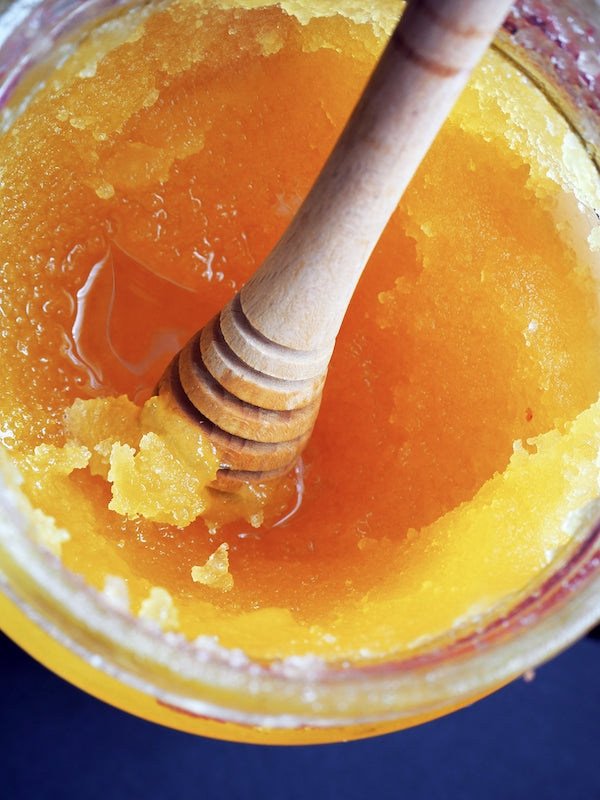
Honey is one of the only foods that can last indefinitely.
Desert Creek Honey - 100% Unfiltered, Pure, Raw Honey
Why store it:
- Shelf life: Indefinite
- Natural antibacterial properties
- Adds flavor to otherwise bland foods
Uses:
- Sweeten oats or tea
- Preserve fruits
- Boost energy quickly
Even if it crystallizes, you can restore it by gently warming the container.
8. Powdered Milk (Nutrition + Cooking Essential)
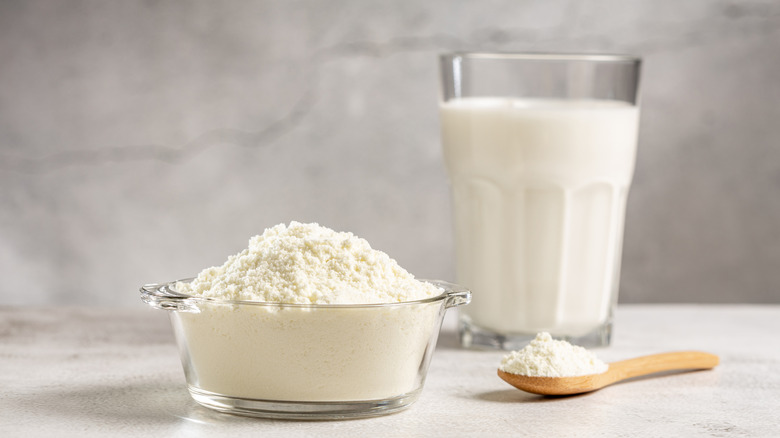
Powdered milk adds both nutrition and versatility to your food storage.
Whole Milk Powder 1 Gallon Bulk Size
Shelf life:
- 10–20 years (non-fat varieties)
Why it matters:
- Provides calcium and protein
- Enhances recipes (oats, baking, sauces)
Taste tip:
- Mix with cold water and let it chill—it tastes much better that way.
9. Dehydrated Fruits (Sweet and Shelf-Stable)
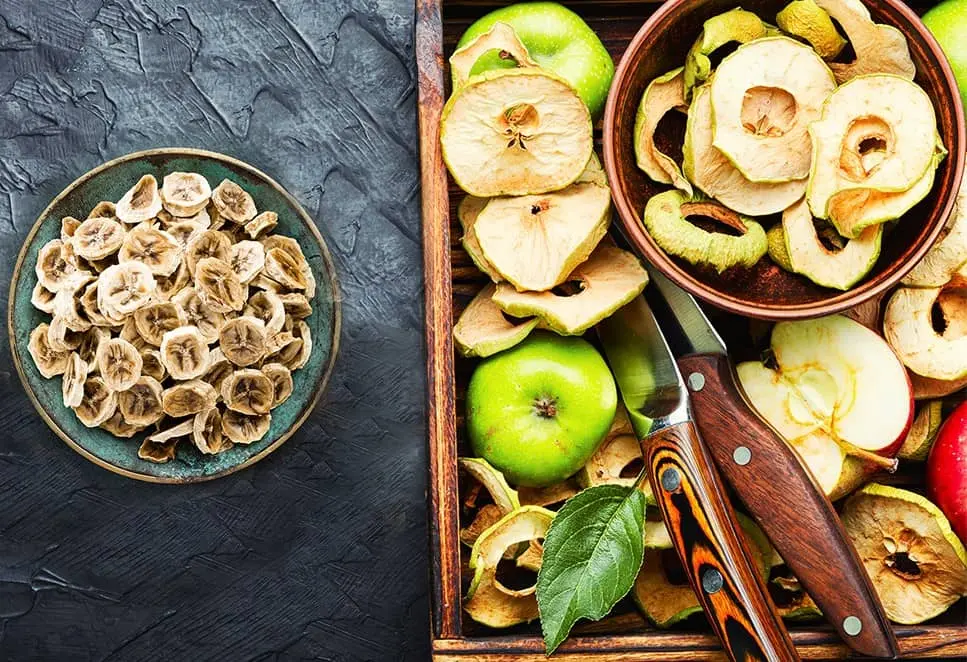
When you’re craving something sweet, dehydrated fruits are invaluable.
Dehydrated Apple Slices Emergency Food Supply
Benefits:
- Shelf life: 5–15 years
- Lightweight and nutrient-dense
- Naturally sweet
Best options:
- Apples
- Bananas
- Strawberries
- Raisins
They pair well with oats, trail mixes, or as standalone snacks.
10. Peanut Butter (High Calories + Great Taste)

Peanut butter is one of the most calorie-dense foods you can store.
SKIPPY Natural Creamy 1/3 Less Sodium & Sugar Peanut Butter Spread
Shelf life:
- 2–5 years
Why it’s valuable:
- High in fats and protein
- No cooking required
- Tastes great on its own
Pair it with crackers, oats, or even eat it straight from the jar in an emergency.
How to Build a Balanced Emergency Food Supply
Storing random foods isn’t enough—you need balance.
Aim for a mix of:
- Carbohydrates: rice, pasta, oats
- Proteins: beans, canned meats
- Fats: peanut butter
- Vitamins & minerals: dried fruits, powdered milk
A simple structure:
- 50% staples (rice, pasta, oats)
- 25% protein sources
- 15% fruits and extras
- 10% comfort foods
Storage Tips to Maximize Shelf Life
Even the best foods won’t last if stored improperly.
Follow these guidelines:
1. Use Mylar Bags + Oxygen Absorbers
- Extends shelf life dramatically
- Protects against moisture and pests
2. Store in Food-Grade Buckets
- Adds physical protection
- Easy to stack and organize
3. Keep Food Cool and Dark
- Ideal temperature: 50–70°F
- Avoid garages or attics if possible
4. Rotate Your Food Supply
- Follow “first in, first out”
- Regularly eat what you store
Common Mistakes to Avoid
1. Storing Foods You Don’t Like
If you won’t eat it now, you won’t eat it in an emergency.
2. Ignoring Cooking Requirements
Some foods require water, fuel, or time—plan accordingly.
3. Overlooking Variety
Food fatigue is real. Mix textures and flavors.
4. Not Testing Your Storage Foods
Try meals ahead of time so there are no surprises.
Final Thoughts: Store What You’ll Actually Eat
The best long shelf life foods for emergency storage are not just about survival—they’re about maintaining normalcy when everything else feels uncertain.
Focus on foods that:
- Last a long time
- Provide solid nutrition
- Taste good enough to enjoy
If you build your food storage around those principles, you’ll create a system that’s not only practical—but sustainable.